
Charlotte, NC · Commercial Kitchens Only
Charlotte Hood Cleaning
Commercial Kitchen Hood Cleaning in Charlotte, NC
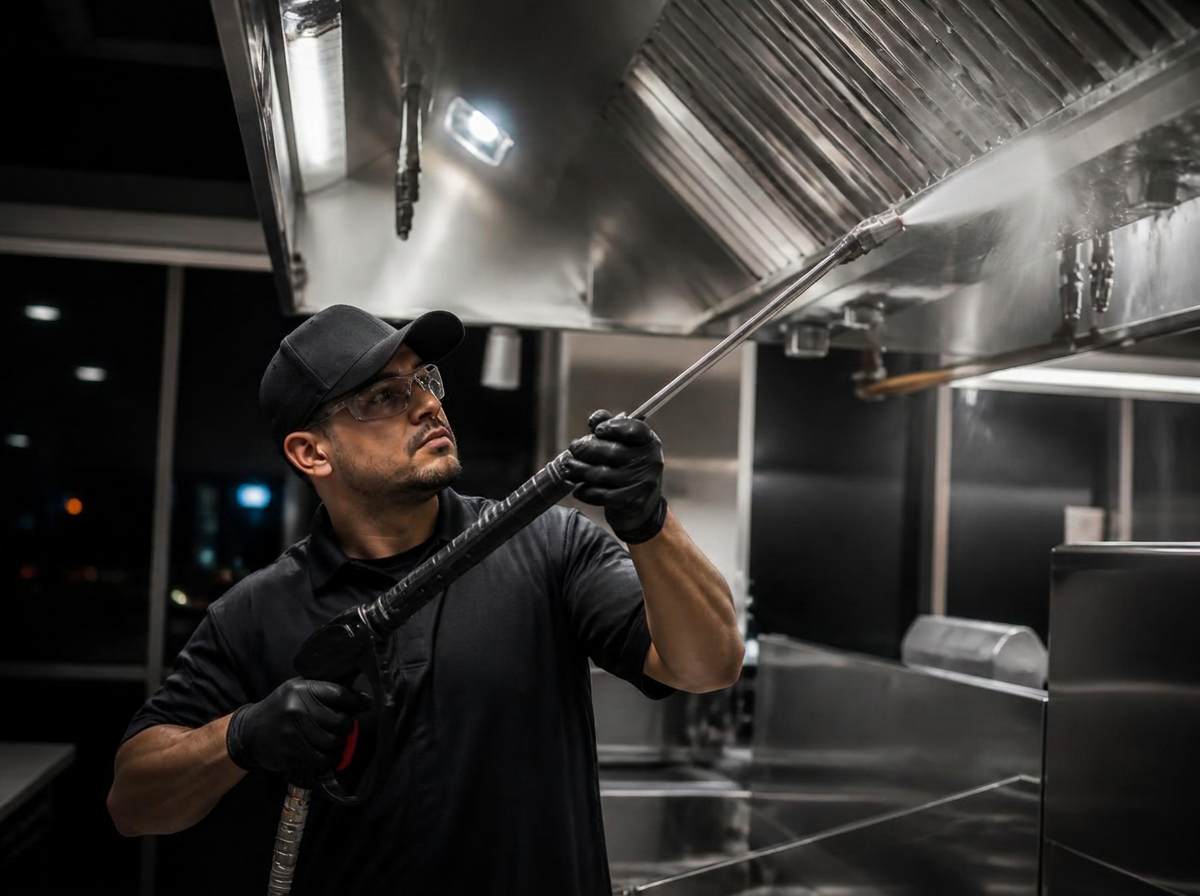
Charlotte hood cleaning for commercial kitchens: restaurants, bar and brewery kitchens, hotel and event kitchens, and institutional food service across the city. The hood canopy, plenum, baffle filters, accessible ductwork and the exhaust fan are cleaned as one system, grease is removed back to accessible bare metal, and the work is documented with before-and-after photos for inspectors, insurers and your own maintenance file.
- Full hood-to-fan cleaning
- NFPA 96-focused service
- Before-and-after documentation
- Overnight scheduling
Get a quote
Request pricing for your kitchen
Tell us your hood count, cooking type and fan location and you will get pricing plus available service windows — including overnight and early-morning slots that keep the dining room open.
Commercial kitchens only
Restaurant and food-service exhaust work — not residential duct cleaning.
Hood to fan, one system
Hood, filters, accessible ducts and the exhaust fan handled together.
Charlotte-area service
Scheduling built around Charlotte kitchen hours, including overnight windows.
Documented work
A written record of what was cleaned and what needs access created.
The work
What commercial hood cleaning actually looks like
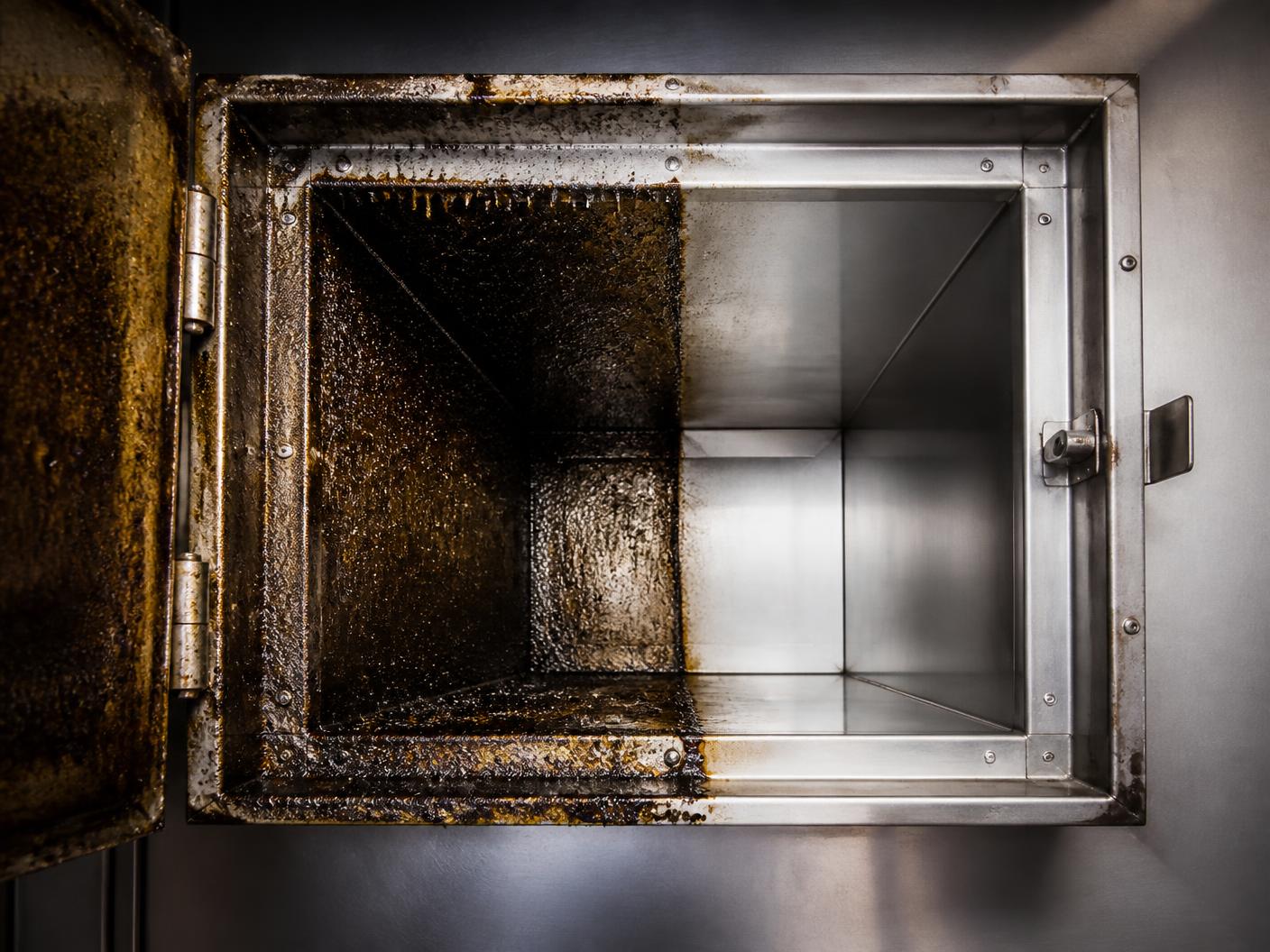
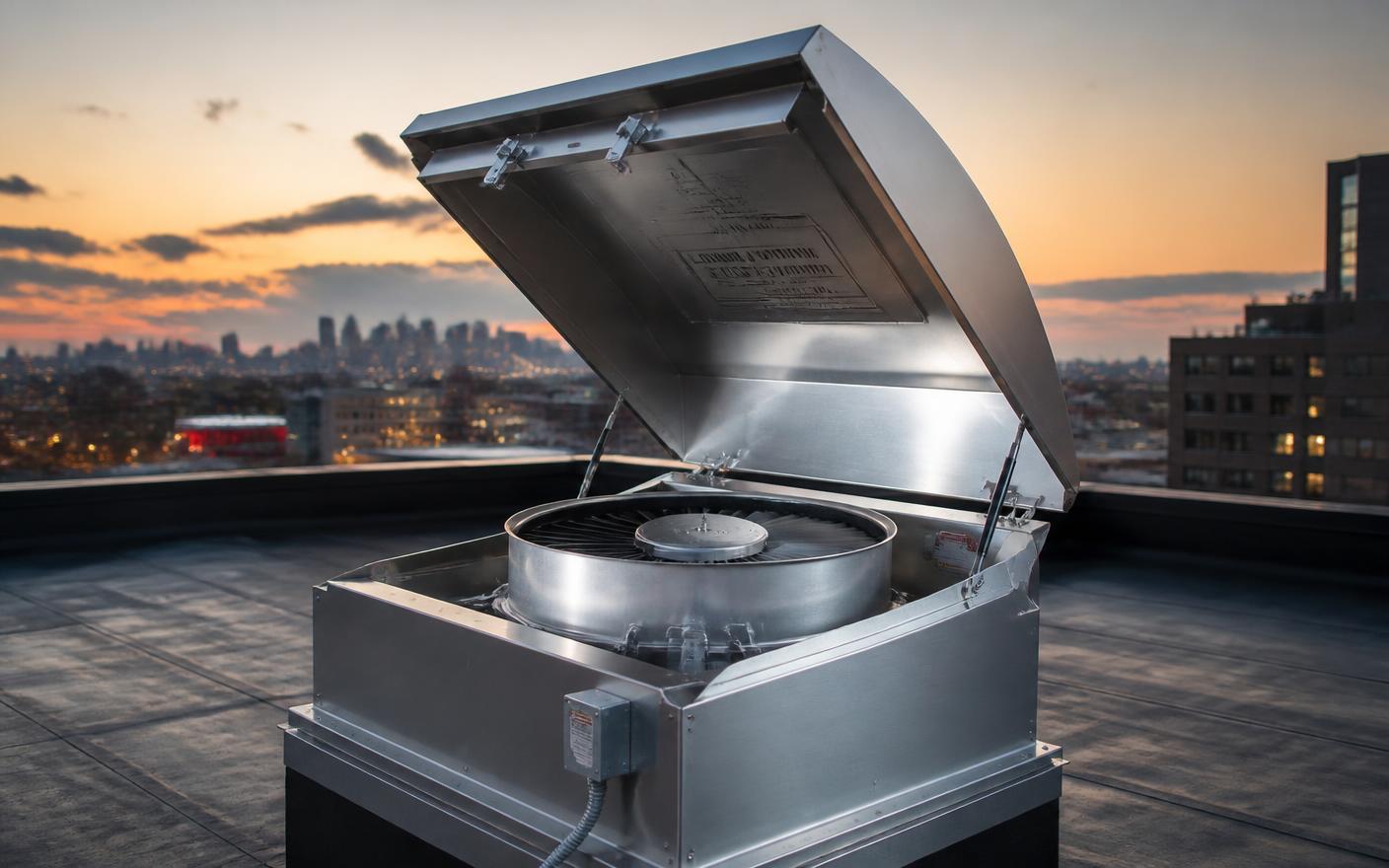
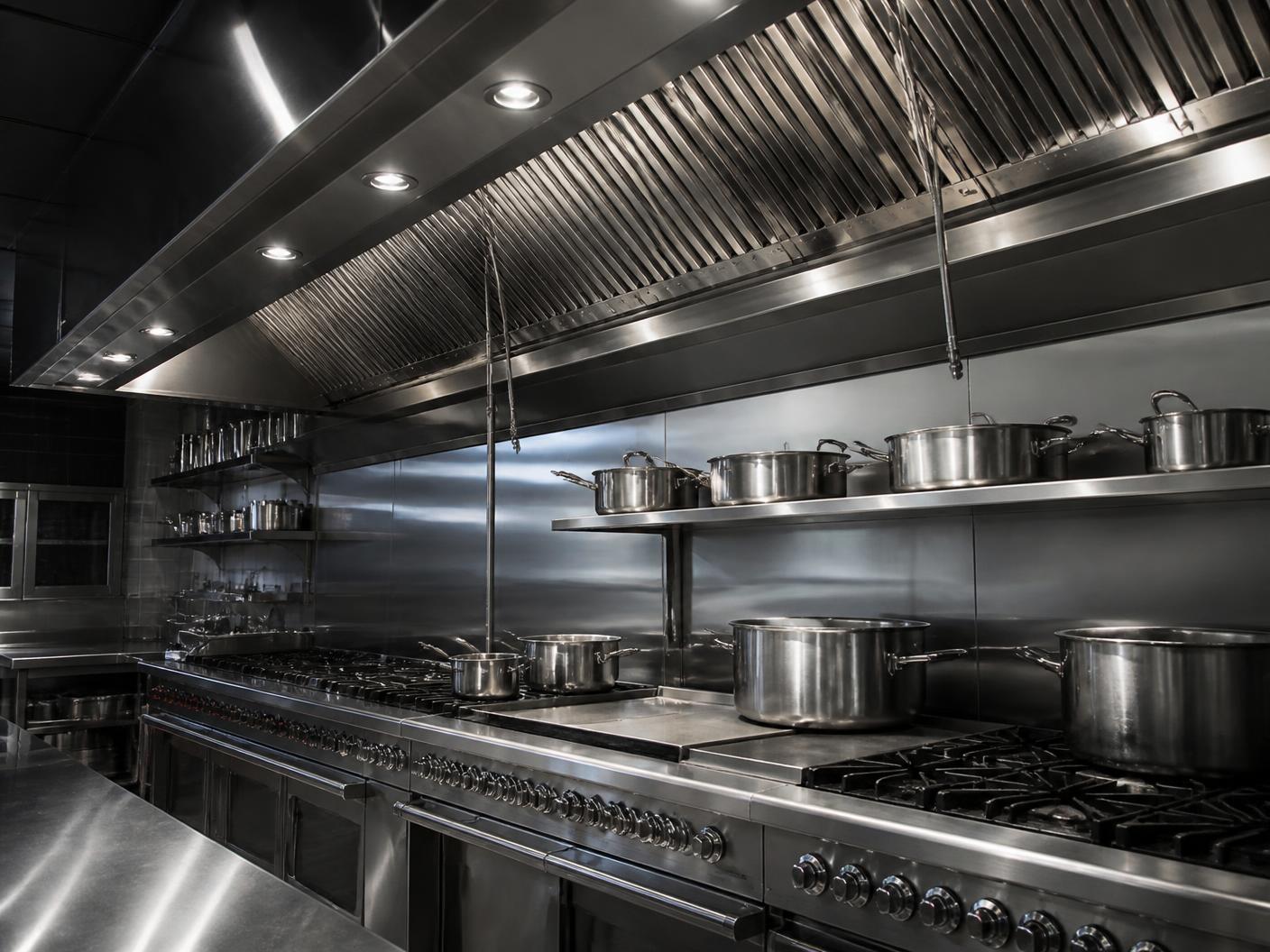
Hood interiors, cooking lines, duct access panels and rooftop fans — the parts of the system a quote should account for.
What gets cleaned
Every grease-bearing part of the exhaust system
Cleaning only the visible hood leaves the fuel load where it matters least. A kitchen exhaust system holds grease from the filter face all the way to the fan blades, and each section needs its own attention.
Kitchen Exhaust Hoods
Canopy, interior surfaces and the plenum behind the filters — the areas that collect grease fastest above a hot line.
Exhaust Ductwork
Horizontal and vertical duct runs cleaned through existing access panels, with additional access recommended where a run cannot be reached.
Exhaust Fans
Rooftop and inline fan housings, blades and hinge hardware, plus a look at the fan base and grease containment.
Hood Filters
Baffle filters degreased and inspected, with replacement flagged when a filter is warped, damaged or the wrong type for the appliance below it.
Complete Exhaust Systems
Multi-hood cooking lines and multi-fan facilities handled as one system so no section is left as the weak point.
Services
Charlotte Hood Cleaning Services
Charlotte hood cleaning covers one connected system, and these pages break it into the parts a quote has to account for — from the hood canopy down the duct run to the fan on the roof. Start with the service that matches how your kitchen is set up.
Commercial Kitchen Hood Cleaning
Full hood, plenum and filter cleaning for commercial cooking lines.
View serviceRestaurant Hood Cleaning
Scheduled cleanings built around restaurant service hours.
View serviceKitchen Exhaust Cleaning
Hood-to-fan cleaning of the complete kitchen exhaust system.
View serviceCommercial Exhaust Cleaning
Exhaust cleaning for hotels, institutions and multi-kitchen facilities.
View serviceCharlotte, NC
Commercial Hood Cleaning in Charlotte, NC
Commercial kitchens in Charlotte rarely have a convenient window. An Uptown dining room serving a convention crowd, a South End restaurant group running late, a NoDa or Plaza Midwood kitchen that closes past midnight, and a SouthPark or Ballantyne hotel kitchen with a breakfast line at 6 a.m. all need the exhaust system cold and the crew gone before the next service. Scheduling is built around that, which is why most Charlotte hood cleaning happens overnight or before opening.
The building matters as much as the kitchen. Ground-floor tenants in mixed-use buildings often share a roof with residents, so rooftop fan access, grease containment and cleanup get handled carefully rather than quickly. Older storefront conversions frequently have duct runs with no access panels, which changes what can honestly be cleaned on the first visit — that gets documented and priced openly instead of quietly skipped.
Charlotte's cooking mix also drives interval. A wood-fired or charbroil line loads a duct in weeks; a mostly-oven bakery kitchen takes far longer. After the first cleaning there is real evidence of how fast your system fouls, and the next recurring hood cleaning interval should be set from that.
Depth on each part of the job: commercial hood cleaning in Charlotte, restaurant hood cleaning, kitchen exhaust cleaning, exhaust duct cleaning, exhaust fan cleaning, hood filter cleaning, NFPA 96 hood cleaning and emergency hood cleaning.
Who this is for
Kitchens that run a grease-producing cooking line
If cooking equipment sits under a hood and the system vents to the outside, that system collects grease. Facility type mainly changes access, scheduling and how quickly buildup returns.
- Restaurants and bar kitchens
- Hotel and event kitchens
- School, campus and institutional kitchens
- Hospital and senior-living kitchens
- Catering and commissary kitchens
- Food halls and multi-tenant kitchens
- Grocery and prepared-food kitchens
- Breweries and taprooms with cooking lines
Not sure whether your setup fits? Describe your kitchen and you will get a straight answer before any scheduling.
Industries
Cleaning patterns by facility type
A hotel banquet kitchen, a school cafeteria and a high-volume wok line all foul at different rates and open up at different hours. These pages cover what changes for each.
- Hotel KitchensA hotel rarely runs one kitchen.
- School KitchensSchool kitchens are high-output, short-window operations: a few hundred meals produced in about ninety minutes, then nothing until the next day.
- Healthcare & Assisted LivingA healthcare kitchen cannot close.
- Cafeterias & Corporate DiningCorporate dining and cafeteria kitchens produce a lot of food in a narrow daily window and then go quiet.
- Food Trucks & Mobile KitchensA food truck packs restaurant-level cooking into a few feet of line.
- Bars & BreweriesCharlotte's brewery and taproom scene has put small, hard-working kitchens into buildings that were never designed for them.
Why it matters
Why Charlotte Restaurants Need Professional Hood Cleaning
Kitchen exhaust cleaning is a maintenance job with real consequences when it is skipped.
Grease accumulation
Vaporized cooking oil condenses on cool metal surfaces inside the hood, duct and fan. It keeps layering until something removes it, and the heaviest deposits are usually the ones nobody can see from the kitchen floor.
Fire-safety considerations
A grease-loaded duct gives a flare-up on the cooking line a path and a fuel source. Removing accumulation is the single most direct way to reduce that load. This is general guidance — your fire-code requirements are set by your local authority having jurisdiction.
Airflow and kitchen conditions
Loaded filters and fouled fan blades cut exhaust volume. Cooks feel it first: a hotter line, smoke hanging under the hood, and heat pushing out into the dining room.
Equipment life
Grease on fan blades throws them out of balance, wears bearings and drags on the motor. Cleaning is cheaper than a rooftop fan replacement.
Inspections and insurance
Health inspectors, fire inspectors, insurers and landlords commonly ask when the system was last cleaned and by whom. Documentation is part of the deliverable, not an extra.
Operational expectations
A system that is cleaned on a realistic interval stays predictable — no emergency shutdown the week a health inspection lands or a lease renewal comes up.
How the service works
From request to a scheduled interval
1. Request service
Send hood count, cooking type, fan location and the hours your kitchen can be down. That is enough to scope most jobs.
2. Assess the system
The hood, filters, accessible duct runs and fan are checked so the scope reflects the real condition of the system — not a guess.
3. Perform the cleaning
Cooking equipment and floors are protected, grease-bearing surfaces are cleaned back to accessible bare metal, and the kitchen is left ready for service.
4. Document the work
You get a record of what was cleaned and what could not be reached, so you have documentation for inspections, insurers and your own maintenance file.
5. Set the next interval
Based on how much grease the system actually held, a realistic interval is recommended instead of a default sold to every kitchen.
Get pricing for your Charlotte kitchen
Send your system details and get a quote that reflects the actual scope — hood count, fan location, cooking type and access.
System variation
Two kitchens the same size can need very different service
Scope follows the cooking, not the square footage.
Solid-fuel and charbroil lines
Wood-fired ovens, charbroilers and smokers produce heavy, dense deposits and often need separate handling and a shorter interval than the rest of the kitchen.
High-volume fry lines
Continuous frying pushes aerosolized oil deep into duct runs. Filters look manageable while the duct above them is loading fast.
Low-volume and bake kitchens
Ovens, steamers and light griddle use produce less grease, which usually supports a longer interval — but the system still needs periodic inspection and cleaning.
Pricing
How much does commercial hood cleaning cost?
There is no honest flat rate for hood cleaning, and any site quoting one without seeing your system is guessing. Price is driven by the work the system actually needs.
- System size and hood count
- How much grease has accumulated
- Roof, ceiling and duct accessibility
- Number of exhaust fans and duct runs
- Cleaning frequency and schedule
- Scope — full system or a single component
- Facility type and cooking equipment
- Scheduling window (overnight or off-hours)
Service area
Charlotte Hood Cleaning Service Areas
Charlotte's kitchens run on tight schedules — Uptown dining rooms, South End restaurant groups, hotel kitchens near the convention corridor, university and hospital food service, and neighborhood restaurants from NoDa to Ballantyne. Service is scheduled around when your line goes cold, not when it is convenient for a route.
Work outside Charlotte proper is evaluated case by case. See the Charlotte service area page for how coverage is handled.
Cities served
Charlotte metro coverage
Each city page covers the local kitchen mix, drive and access notes, and how scheduling usually works there.
Resources
Charlotte hood cleaning resources
Background reading that supports the service above — frequency, scope, cost and maintenance, useful whether you hire someone or not.
- How Often Should a Commercial Hood Be Cleaned?Cleaning frequency by cooking volume and cooking type.
- What Is Included in Commercial Hood Cleaning?Scope, exclusions and what to check on a quote.
- Kitchen Exhaust Cleaning GuideWhat a complete hood-to-fan cleaning actually covers.
- How Long Does Commercial Hood Cleaning Take?Realistic timing by system size, access and grease load.
- How to Prepare a Restaurant for Hood CleaningWhat kitchen staff should do before the crew arrives.
- Restaurant Hood Cleaning ChecklistWhat to confirm before, during and after a service visit.
- Signs Your Restaurant Hood Needs CleaningWhat to look, listen and smell for between scheduled visits.
- Hood Cleaning MaintenanceKitchen-staff habits that keep grease from building up.
- Professional Hood Cleaning vs DIYWhat in-house staff can handle, and where it stops.
- Hood Cleaning vs Hood Filter CleaningTwo different jobs that often get called the same thing.
- How Grease Builds Up in an Exhaust SystemWhere grease condenses between the cook line and the fan.
- Commercial Kitchen Fire PreventionHow cleaning fits alongside suppression, filters and daily habits.
- What Happens If You Fail a Hood Inspection?Correction notices, re-inspections and clearing a write-up.
Customer feedback
Ask for references before you book
No reviews are published here yet, and none will be invented to fill the space. Ask any hood cleaning company — including this one — for references from kitchens comparable to yours, and for photographs from a recent job showing the plenum, duct interior and fan rather than just a wiped canopy.
The most useful evidence is not a star rating. It is a dated service record listing exactly which sections were cleaned, photographs of the parts of the system you cannot see from the kitchen floor, and a clear note of anything that could not be reached. That is what an inspector or insurer will ask for, and it is what you should expect back after every visit.
FAQ
Commercial hood cleaning questions
How often should a commercial kitchen hood be cleaned?
Frequency depends on cooking volume and cooking type rather than a single universal interval. High-volume frying, charbroiling and wood- or solid-fuel cooking load a system with grease far faster than a low-volume kitchen running ovens and steamers. Many operators land on quarterly service, with heavy solid-fuel lines cleaned more often and low-volume kitchens less often. Your insurer and local authority having jurisdiction can set expectations for your specific facility, so confirm with them and use a documented inspection interval to settle on the right schedule.
What does commercial hood cleaning include?
A full service covers the hood canopy and plenum, baffle filters, accessible duct runs, and the exhaust fan housing and blades — grease-bearing surfaces cleaned back to bare metal where accessible. It also includes protecting the kitchen and cooking equipment before work starts, cleaning up afterward, and documenting what was cleaned and anything that could not be reached.
How much does restaurant hood cleaning cost?
Pricing depends on the size of the system, how much grease has accumulated, how many hoods and fans are involved, roof access, and how often the kitchen is on a schedule. A single-hood kitchen with a rooftop fan and a quarterly schedule prices very differently from a multi-hood line that has not been cleaned in over a year. Our cost page breaks down each factor so you can judge a quote instead of guessing.
What parts of the exhaust system are cleaned?
Hood canopy and interior, the plenum behind the filters, baffle filters, grease cups and troughs, accessible horizontal and vertical duct runs through access panels, and the exhaust fan — housing, blades and the fan base. Rooftop grease containment is checked at the same time.
How long does hood cleaning take?
A single-hood kitchen is often a few hours. Larger cooking lines, multiple fans, long duct runs or heavy accumulation can run most of a night. Work is normally scheduled after close or before opening so the kitchen is cold and service is not interrupted.
Why is kitchen exhaust cleaning important?
Cooking vapor condenses inside the hood, ducts and fan as flammable grease. That buildup is fuel sitting directly above open flame, it degrades airflow so the kitchen gets hotter and smokier, and it shortens the life of the fan and hood components. Regular cleaning removes the fuel load and keeps the system moving air the way it was designed to.
Do restaurants need hood cleaning?
Any commercial kitchen with a grease-producing cooking appliance under a hood needs the exhaust system cleaned on a recurring basis. Inspectors, insurers and landlords commonly ask for documentation of the last cleaning, so keeping records matters as much as the cleaning itself.
How do I schedule commercial hood cleaning in Charlotte?
Send a quote request with your hood count, cooking type, fan location and the hours your kitchen can be down. You will get pricing and available windows back, including overnight and early-morning slots that keep the dining room open.
Get a quote
Get a Charlotte Hood Cleaning Quote
Tell us your hood count, cooking type and fan location and you will get pricing plus available service windows — including overnight and early-morning slots that keep the dining room open.
Request a commercial hood cleaning quote
Tell us about your kitchen — cooking line, hood count and how the system is used — and we will follow up with scheduling and pricing details.